Technology has introduced many possibilities in the B2B environment in how we engage with both prospective buyers and customers. A better understanding of customer behavior has given rise to innovative approaches in customer engagement throughout the customer lifecycle.
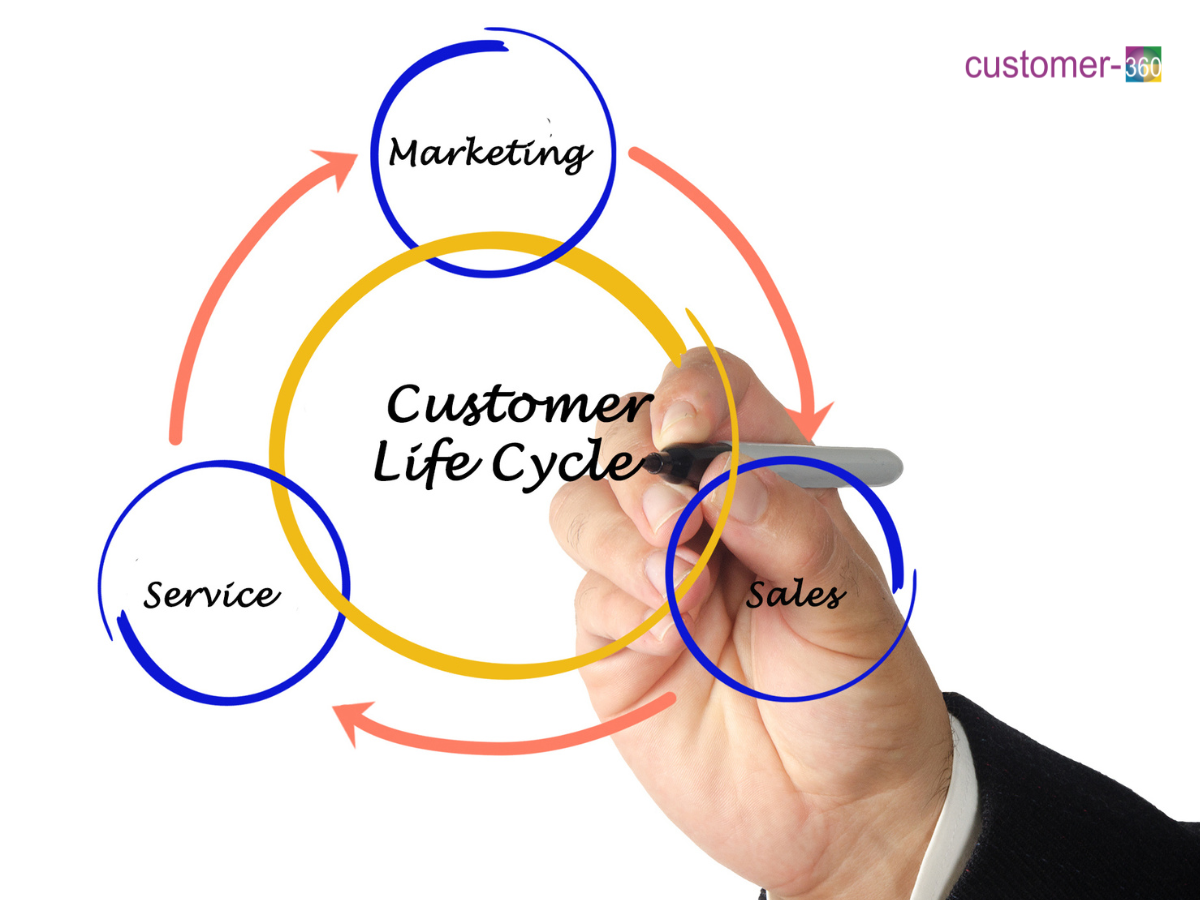
Customer lifecycle marketing has emerged as a marketing discipline that focuses on maximizing long-term value, improving customer retention, and reducing churn. It is a strategic approach that delivers personalized, relevant messages to customers based on their current stage of engagement with a brand —from initial awareness and purchase to advocacy.
Customer lifecycle marketing incorporates segmentation and tailored messaging in an omni-channel approach. To be effective, customer lifecycle marketing must bring together cross-functional teams such as marketing, sales, and customer success to understand the customer journey and work in tandem to create positive customer experiences.
Understanding the Customer Mindset
How well do you understand your target customer base?
Did you know that:
- 73% expect companies to understand their needs and preferences
- 32% will walk away from a brand they love after just one bad experience
- 3.5X are more likely to purchase more after a positive customer experience
(Terradata: Today’s Customers Expect More)
You have several opportunities along the customer journey to offer unique and meaningful experiences with your brand. Think of the customer journey as an ongoing experience, one you can enhance with personalized digital touches and human interactions that earn customer loyalty.
Defining the Buyer’s Journey and Customer Lifecycle
Buyer’s Journey

Customer Lifecycle

Marketing Strategies & Tactics by Stage
Buyer’s Journey
- Awareness / Explore – buyers at this stage are self-directed and interactions are digital. They tend to rely on a company’s website, social media networks, and product review sites for their information.
Live chats and bots are often the buyer’s first engagement with a company. Technology, such as revenue acceleration platforms, can help create an easy-to-navigate, step-by-step content strategy, including SEO, offering an elevated digital experience. These platforms enable consistent, relevant messaging so you treat every visitor like a VIP.
Targeted advertising on social media sites and in search engines can also reach potential customers searching for keywords related to your industry or products and services.
- Consideration / Evaluate – this stage is about building trust as buyers have now defined their needs and are considering their options to engage further with your brand. Analyst reviews, free trial offers, and open digital technical communities provide a third party and peer point of view in addition to a ‘try before you buy’ experience.
- Purchase – at this stage, human interaction is introduced. In a B2B environment, many buyers rely on a peer-peer reference call or executive briefing prior to inking the deal.
Customer Lifecycle
- Onboard – at this stage, interaction is usually more digital. Strategies include personalized email with FAQs and product demos, as well as technical community introduction as a place to engage with peers and product experts, find educational content, and support resources.
- Engage / Retain (Renew) – human and digital interactions comingle to create the customer experience. Meet ups, user groups, advisory boards (both customer and product) offer in-person engagement and foster authentic dialog. Technical communities provide digital engagement.
- Expand – human and digital interactions again play a key role at this stage in providing relevant, tailored messaging through account-based marketing tactics. These may include vendor-sponsored events at a customer site, customer and product advisory boards, as well as targeted email nurture campaigns.
- Advocate – this stage is where customer loyalty is highlighted and promoted. Customers have reached the point where they are willing to advocate on your brand’s behalf through case studies, video testimonials, speaking engagements, etc. Developing brand advocates are great retention and growth strategies. Happy customers attract more happy customers.
Big Picture – Customer Service Strategies
There are two big picture strategies that are timeless in creating meaningful customer experiences. Each program offers both human and digital interactions:
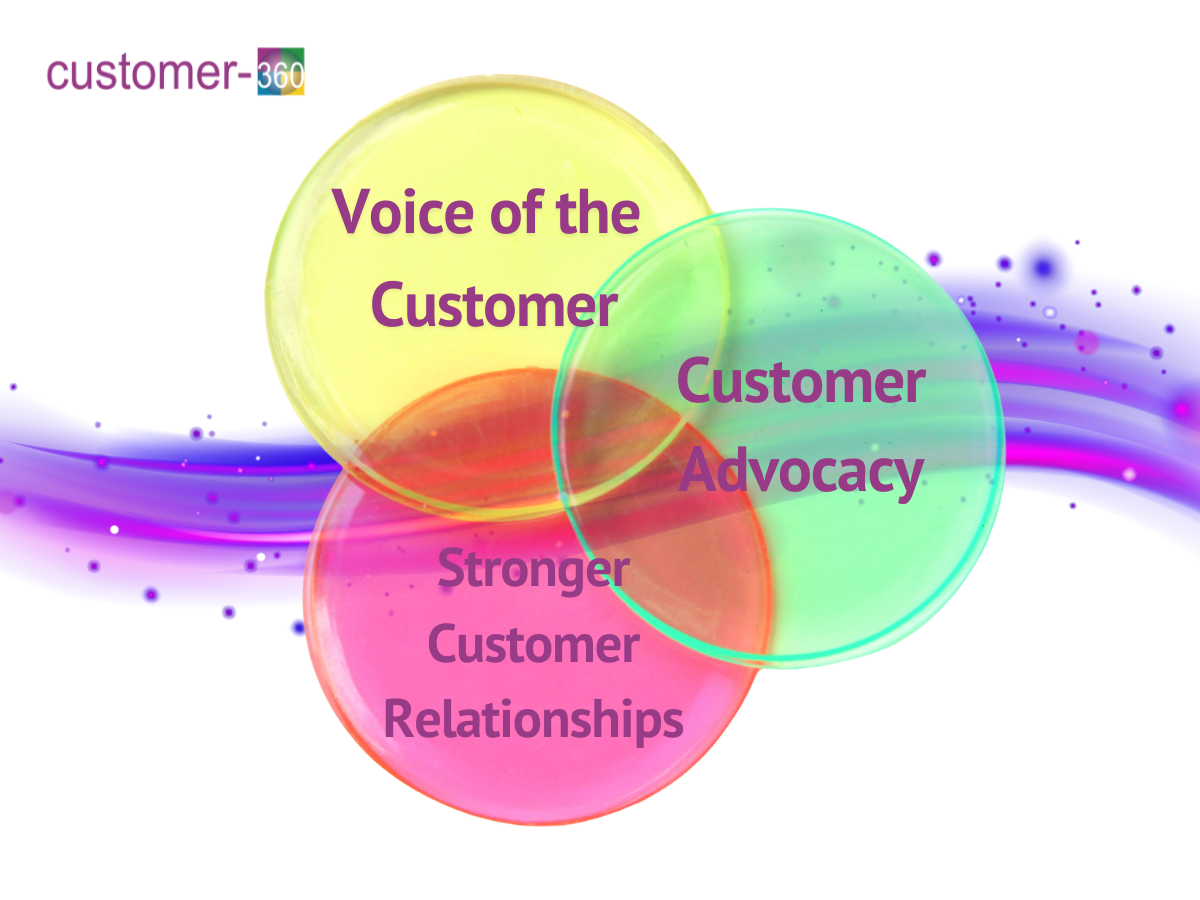
- Voice of the Customer Programs – Provide customer feedback to drive customer experience, as well as product & service improvements. Net Promoter Survey (NPS), Customer Satisfaction Survey (CSAT), Customer Advisory Boards (CAB) Product Advisory Boards (PAB) are examples of these program elements.
- Customer Reference and Advocacy Programs – Leverage loyal customers to build brand trust, accelerate sales, and create customer marketing content. These programs provide a platform that converts happy customers into active advocates through testimonials, case studies, referrals, and speaking opportunities, for example.
One Last Thought
My top takeaway in creating meaningful customer experiences to drive retention and loyalty is to remember these 4 R’s of customer engagement:
- Keep it Real,
- stay Relevant,
- be Responsive, and
- be Ready to know your customers on a deeper level to drive loyalty.